The Barua line.
I didn't earn this name. The people who made it mean anything were filmmakers, folk singers, naturalists and people who gave their lives to elephants — not rulers in any sense I take pride in.
I keep their stories here to keep what they gave legible — and to stay a little worthy of carrying it forward. Conservation, folk culture, storytelling: the threads I work with now were theirs first.
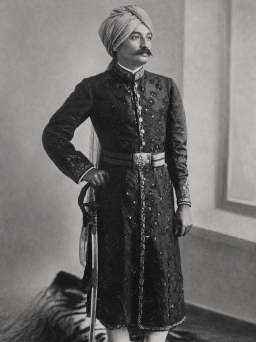
Built the house and the family's conscience. A patron of Goalpariya folk culture who brought a Muslim folk master into the palace to teach his grandchildren, against the orthodoxy of his day.
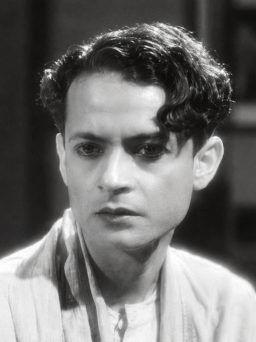
A legend of early Indian cinema. His 1935 Devdas set the template every later version has chased.
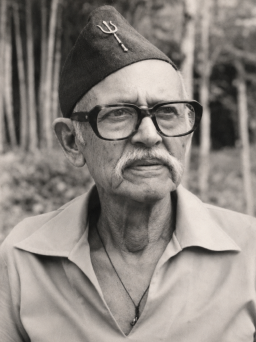
Addressed as Raja; one of the great elephant men of his time. Much of his quieter work for the region survives only in family memory.
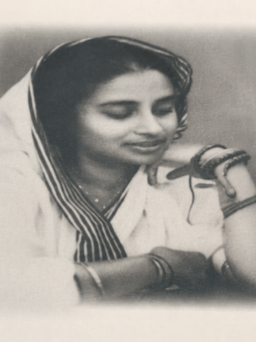
Travelled alone to Europe in 1938. Chronicled Rajbangshi folk music, kept a naturalist's museum, and left the aristocracy to stand with the marginalised.
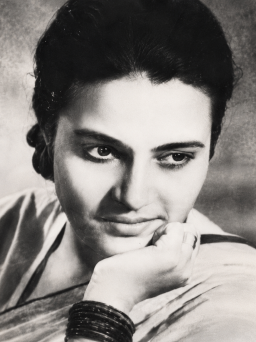
Carried the Bhawaiya of the riverlands — Goalpariya folk song — to the whole country.
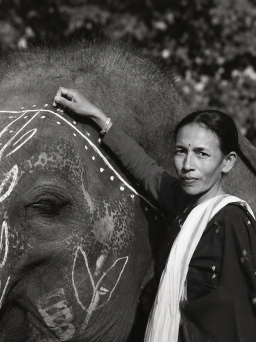
India's first woman mahout. Gave her life to understanding and protecting wild elephants.
The part nobody wrote down
Some of the best of this family never made it into any record. My father remembers a generation of quiet work — the patronage of artists the rest of society wouldn't touch, the help given without a ledger — that exists only in stories told over tea. I'm writing them down before they're gone.
My mother's side
For all the Barua stories, half of who I am comes from somewhere with no palace and no archive — a harder, quieter story of getting by and getting up. I haven't written it yet. It might be the one that matters most.
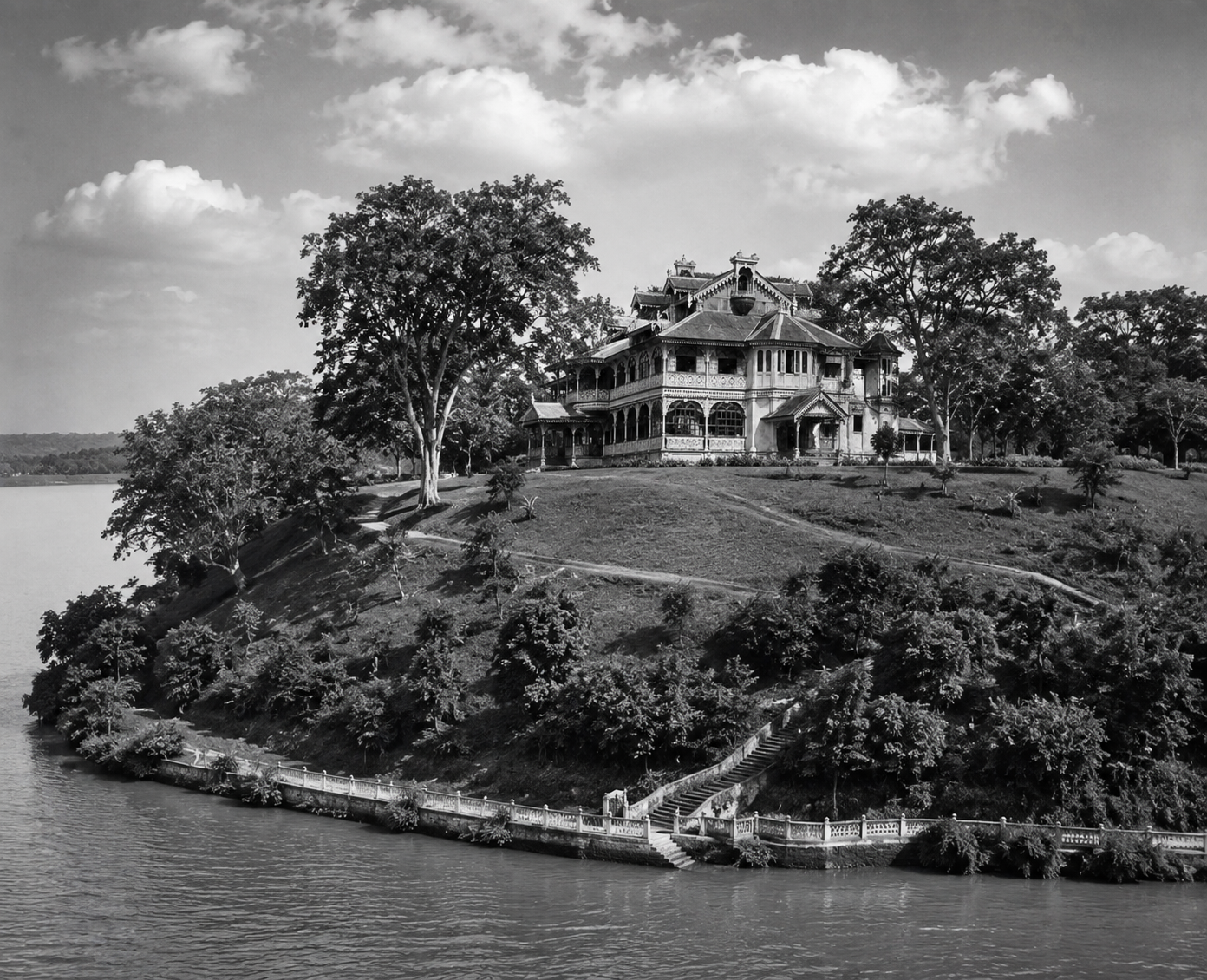
Matiabag Palace · the breeze house
The palace my great-grandfather built on a small hill-top on the banks of the Gadadhar river fell into neglect for decades. It's being restored now into a museum — an old thing, carefully brought forward. As good a description of what I'm trying to do as any.